




Gen Z is redefining what it means to be in a relationship as they enter adulthood through an online dating world filled with dating apps, social media, and cultural shifts. In contrast to prior generations, Gen Z is more likely to engage in “pre-casual” dating, which refers to an informal, no-pain or low-pressure kind of connection. Although these types of connections offer a way to connect with one another and develop intimacy, they do not have the same level of commitment as traditional dating models. Therefore, understanding what led to the emergence of pre-casual connections can help explain the increasing prevalence of this type of relationship among people in their late teens to their mid-20s.
Autonomy and the Rejection of Over-Commitment
Gen Z has grown up during an era marked by unpredictability in both the economy and society, and with the introduction of ever-evolving technology. The result of this environment is a generation that values independence and autonomy more than any other generation before them. Pre-casual relationships as an option provide an opportunity for a Gen Z individual to have intimate relationships without sacrificing their independence to care for themselves, advance in their careers, or connect with family and friends. Through the aforementioned experiences of many Gen Z, it is reasonable to assume that pre-casual relationships are once again becoming more common ground to establish connections while continuing to establish goals and pursue dreams in their own time and at their own pace.
The Role of Digital Communication in Shaping Preferences
Generation Z has been shaped by its ability to communicate digitally. Dating apps like Tinder, Bumble, and Hinge have made it normal for generations to quickly swipe potential partners or Bangalore call girls without regard for meaningful relationships. As a result, many Generation Z members view the large number of options available as a source of instant gratification. Therefore, many young adults believe variety and exploration of relationships are more important than having long-term commitments.
The way we text and communicate via social media serves as an additional form of a ‘parallel universe’ where it is hard to gauge the authenticity of one’s interactions and where Generation Z’s ability to navigate digital-first relationships leads to comfortable pre-casual relationship dynamics. The way pre-casual relationships align with the comfort level of Generation Z in these areas is that they allow for boundary-setting and a fluidity of expectations.
A Generational Response to Trauma and Emotional Fatigue
Generation Z is undergoing a mental health crisis as a result of the COVID-19 pandemic, increased feelings of loneliness, and increased pressure to perform in a hyper-connected world. For many Generation Z members, emotionally committing to a significant romantic relationship can be emotionally exhausting, especially if they have a history of betrayal, breakups, or dysfunction within the family. Pre-casual relationships offer Generation Z the opportunity to heal and to discover themselves while providing a layer of comfort toward the anxiety experienced by being in emotionally invested relationships. By establishing clear boundaries and creating low-stress environments within which interactions take place, Generation Z has the power to regain control of their emotional well-being and reject the
Social Media’s Influence on Relationship Expectations
Gen Z uses social media prominently for relationship development or meeting Delhi call girls. Instead of portraying couples in a manner that is perceived positively (e.g., through viral social media posts about grand romantic gestures, exotic romantic vacations, and popular wedding ideas), the amount of idealised content Gen Z is exposed to through social media creates unrealistic expectations in them. Therefore, as a result of the pressure Gen Z is subject to through social media, they have chosen to reject traditional being in a serious relationship altogether and are instead choosing to enter into pre-casual relationships or dating with no commitment.
The Fear of Economic and Societal Pressures
Economic and societal pressures have increased due to the harsh financial situation Gen Z has experienced over the past several years. As “rising costs of housing throughout the U.S.” and “volatile job markets” have changed the perception of financial stability among the younger generation, Gen Z is hesitant to become involved in a long-term relationship because they do not want to jeopardise their financial independence. Gen Z’s experience with financial insecurity has caused them to prioritise shared experiences and personal development over traditional markers of commitment (marriage and homeownership). Consequently, the younger generation is more willing to wait—and even to eliminate commitment altogether—in favour of flexibility.
The Future of Love & Intimacy
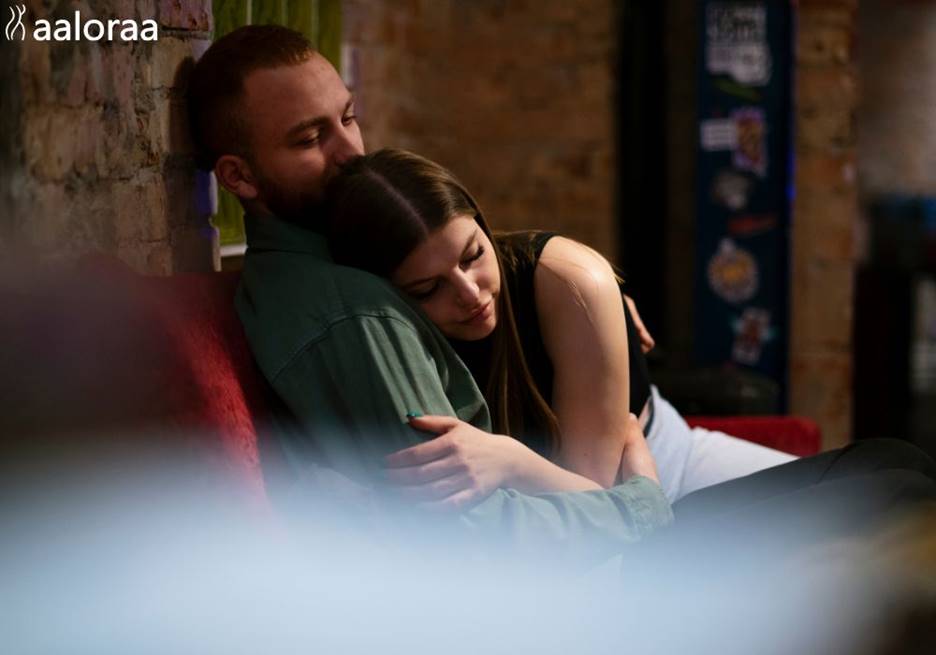
While some may believe that pre-casual relationships have fewer depths than traditional partnerships, the fact that they create a space for new ways of looking at intimacy is what makes them unique. As Gen Z prioritizes emotional and psychological wellness, they are moving away from the idea that romantic love is tied to exclusivity or permanence, and that this rejection will take shape in a variety of ways. They do still want strong, deep, and meaningful relationships, but they want to do so within a wider range of possible scenarios. By embracing pre-casual sexual and romantic relationships, Gen Z is challenging the long-held, outdated notion of what romantic love entails.
The Future of Relationships: Embracing Flexibility
In light of developing new kinds of intimacy especially, pre-casual relationships with Lucknow call girls, Gen Z can be seen as leading the charge to redefine both how we define relationships and the methods by which we engage in intimacy based on the self-definition instead of the socio-cultural expectations. Gen Z is a generation who have uniquely figured out how to navigate all the complexities associated with today’s lifestyle by placing emphasis on autonomy, authenticity, and emotional security within themselves. In fact for many, finding true love will no longer be viewed as a race to the finish; rather, it will be about growth and discovery and that is a monumental transformation in itself!